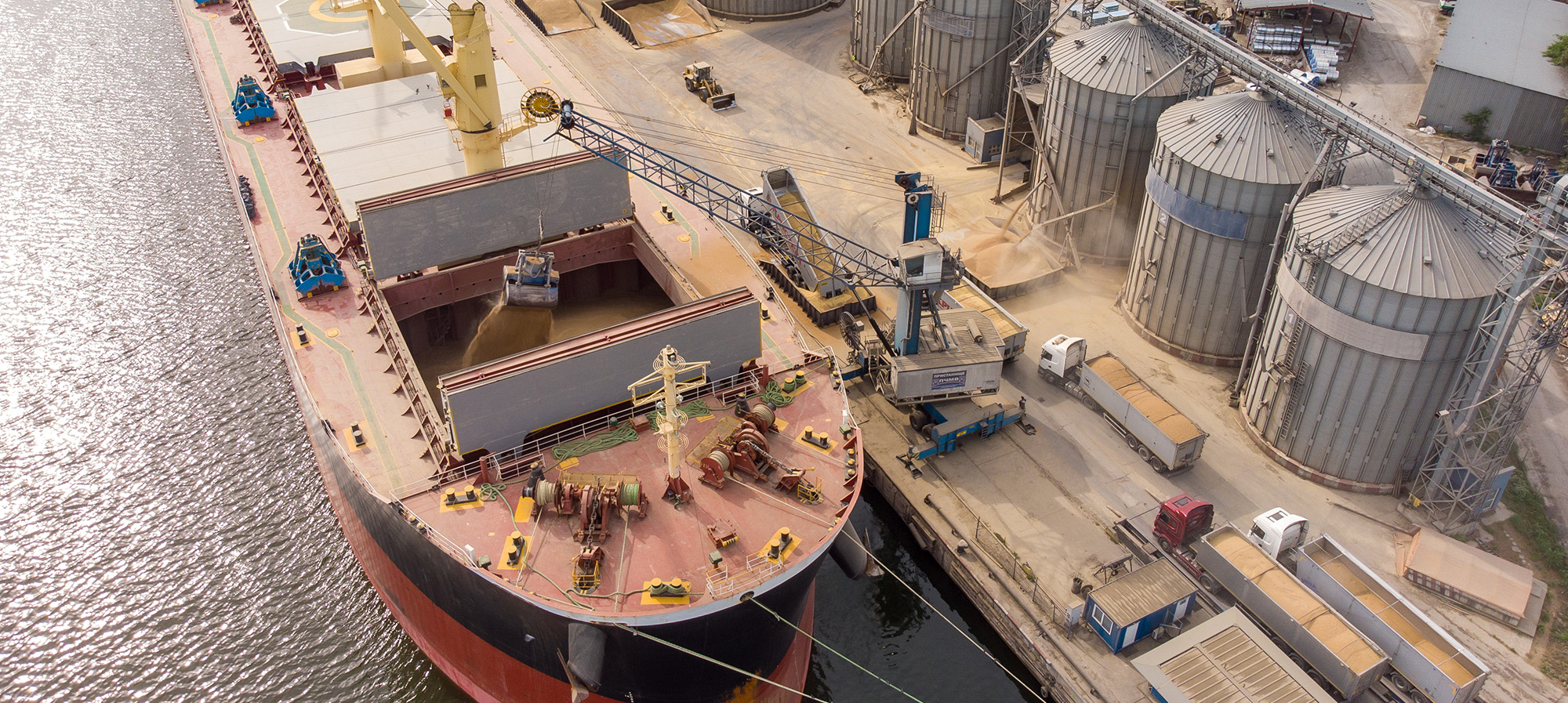

Bulk and general cargo terminals are under increasing pressure to move higher volumes safely, accurately and at speed. As cargo flows grow and customer expectations rise, traditional manual processes around vehicle weighing are proving difficult to sustain. Automated weighbridges offer a clear and practical route to improving efficiency, but their real value is unlocked when they are fully integrated with a terminal operating system.
This is where automated weighbridges and CommTrac, the bulk and general cargo terminal operating system from TBA, come together. By connecting physical infrastructure directly into terminal workflows, operators gain real time visibility, improved data quality and more predictable operations across the site.
The operational impact of automated weighbridges
Automated weighbridges modernise a traditionally manual process by removing unnecessary intervention and paper-based steps.
Technologies such as automatic number plate recognition, traffic light controls, barriers and driver self-service terminals allow vehicles to pass through the weighbridge with minimal delay. Weight data is captured digitally at source and validated instantly, reducing the risk of human error.
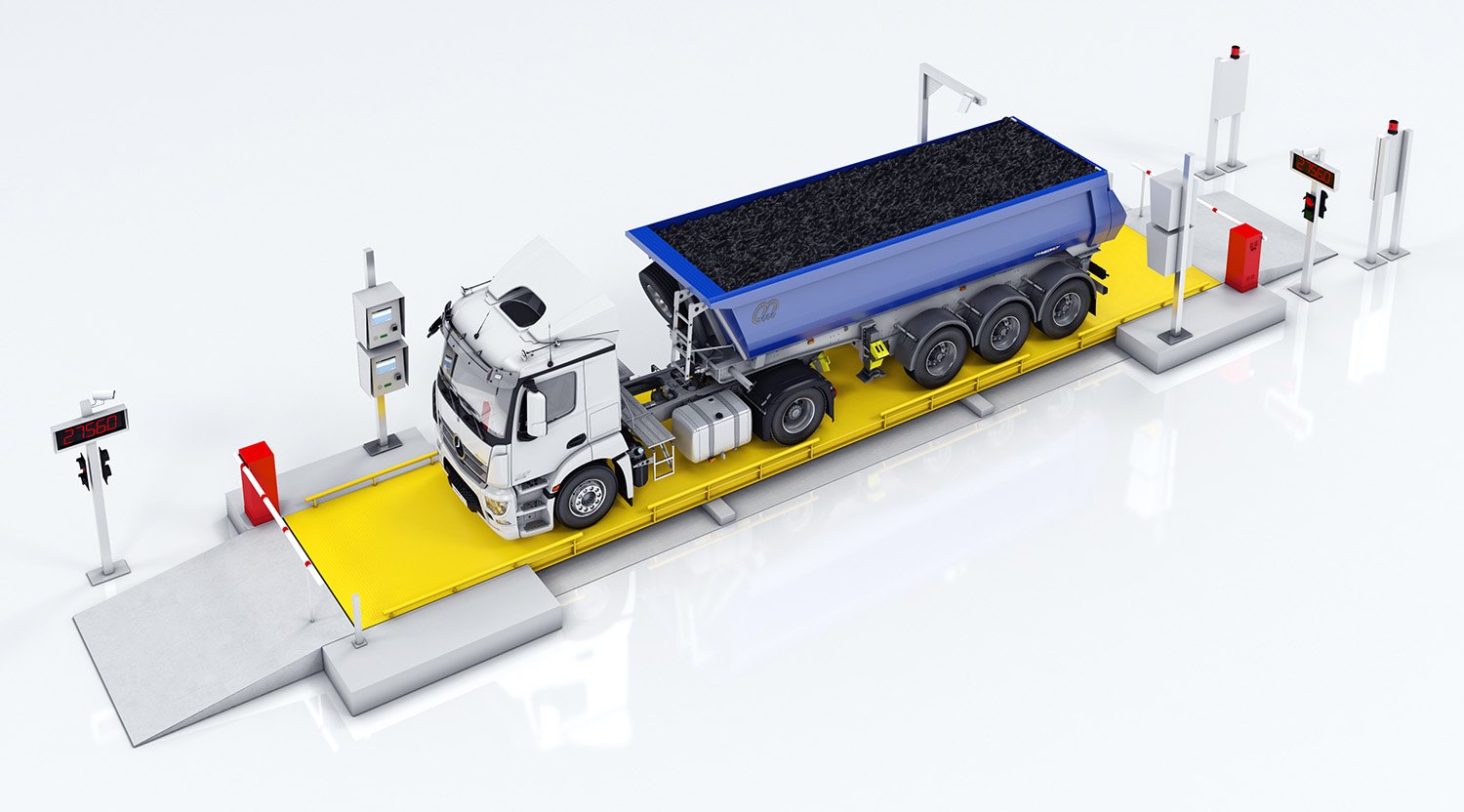
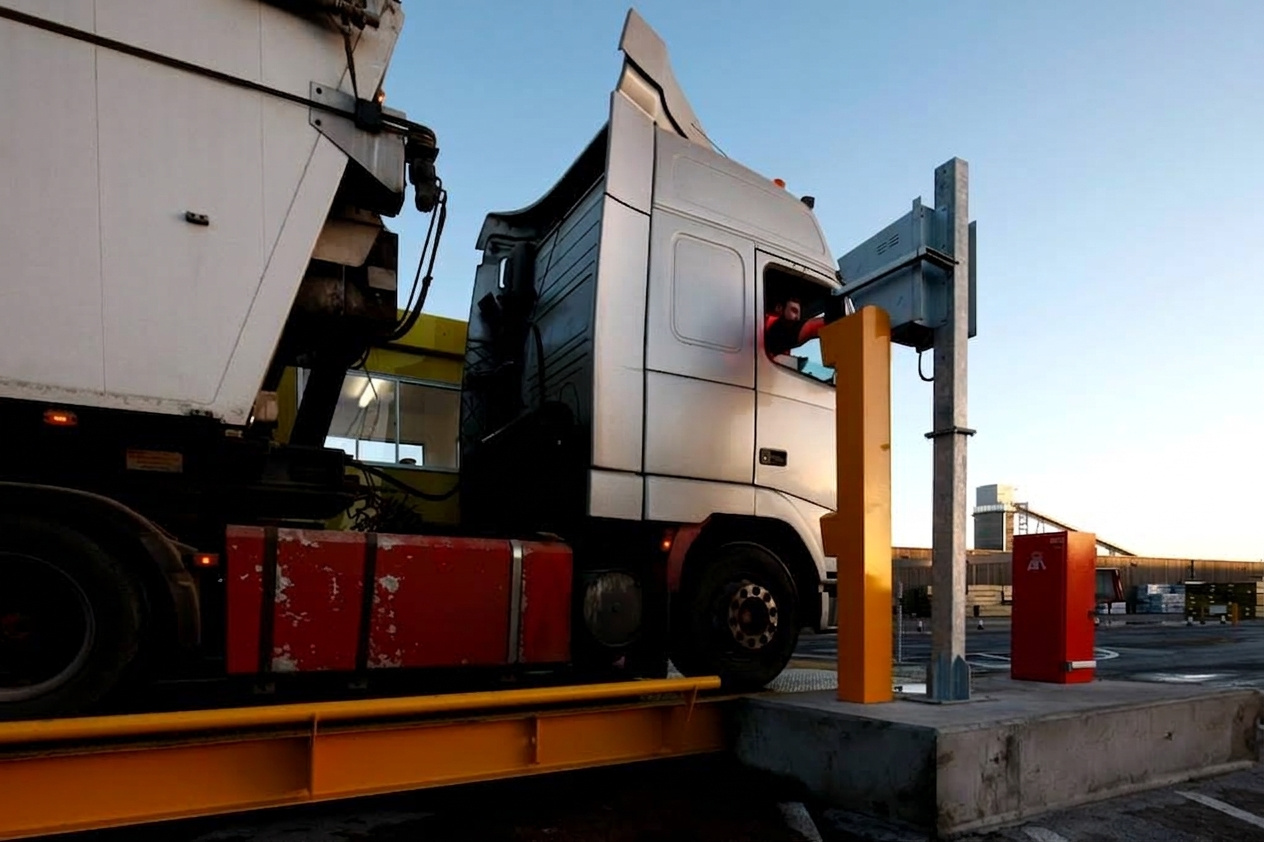
For busy bulk terminals, the operational benefits are immediate. Vehicle queues are reduced, congestion around terminal gates is minimised and turnaround times become more consistent. At the same time, safety is improved as staff no longer need to work in close proximity to moving heavy vehicles.
These benefits are already being realised in live operations. At Teesport and Hartlepool, automated weighbridges supplied by Weightron Bilanciai and integrated with CommTrac are handling significant daily volumes while maintaining accuracy and control. The systems support high throughput bulk movements without becoming a bottleneck at the terminal entrance.
Grant Honzik, Director of Bulks Operations at PD Ports, has spoken openly about the impact automation has had on day-to-day operations. He said, “Automation has completely changed the way we operate at Teesport and Hartlepool. By removing manual intervention, we’ve cut turnaround times, reduced congestion and provided our customers with far more accurate and timely data. That’s not just good for efficiency, it underpins better decision-making right across the supply chain.”
This experience reflects a broader trend across the industry, where terminals are recognising that efficiency gains must be supported by reliable data if they are to deliver long term value.
Why integration with CommTrac matters
While automated weighbridges deliver benefits on their own, integration with a terminal operating system is what turns automation into a strategic capability. CommTrac is designed to act as the digital backbone of bulk and general cargo terminals, connecting operational technology with planning, reporting and commercial systems.
CommTrac’s integration framework allows automated weighbridges to connect directly to the TOS using standard interfaces and APIs. Weight data is captured automatically and linked to vehicle visits, cargo records and operational events in real time. Gross, tare and net weights are recorded consistently and stored securely, creating a robust audit trail that supports compliance and dispute resolution.
This approach eliminates duplicate data entry and reduces the risk of discrepancies between systems. Weight information flows seamlessly into inventory records, operational dashboards and billing processes, ensuring that all teams are working from the same trusted data set.
Integration also extends beyond the terminal. CommTrac can share weighbridge data with ERP systems, customer portals and third-party logistics platforms, enabling accurate information to move smoothly along the supply chain.
Commercial and operational benefits
From a commercial perspective, accurate weight data is fundamental. Automated capture reduces disputes, supports faster invoicing and protects revenue by ensuring that chargeable activities are recorded correctly. With CommTrac linking weighbridge events directly to commercial workflows, terminals gain greater confidence in both billing accuracy and financial reporting.
Operational teams benefit from real time visibility of vehicle movements and cargo flows. Supervisors can monitor throughput as it happens, identify emerging congestion and adjust plans quickly. Over time, the data generated by integrated weighbridges provides valuable insight into performance trends, supporting continuous improvement across the terminal.
Customers also see clear advantages. Faster processing, reduced waiting times and access to accurate data improve the overall experience for hauliers and cargo owners alike. Reliable information supports better planning and strengthens trust between terminals and their customers.
Building a future-ready terminal
As bulk terminals continue to modernise, automation and integration are becoming essential rather than optional. Automated weighbridges integrated with CommTrac provide a proven way to digitalise a critical operational touchpoint while improving safety, efficiency and data quality.
By connecting physical infrastructure directly into a robust terminal operating system, terminals can build a strong foundation for growth and resilience. For operators looking to future proof their operations, this combination delivers practical benefits today while supporting smarter, more connected terminals in the years ahead.
Images courtesy of Weightron Bilanciai.
Share this

CommTrac: a day in the life
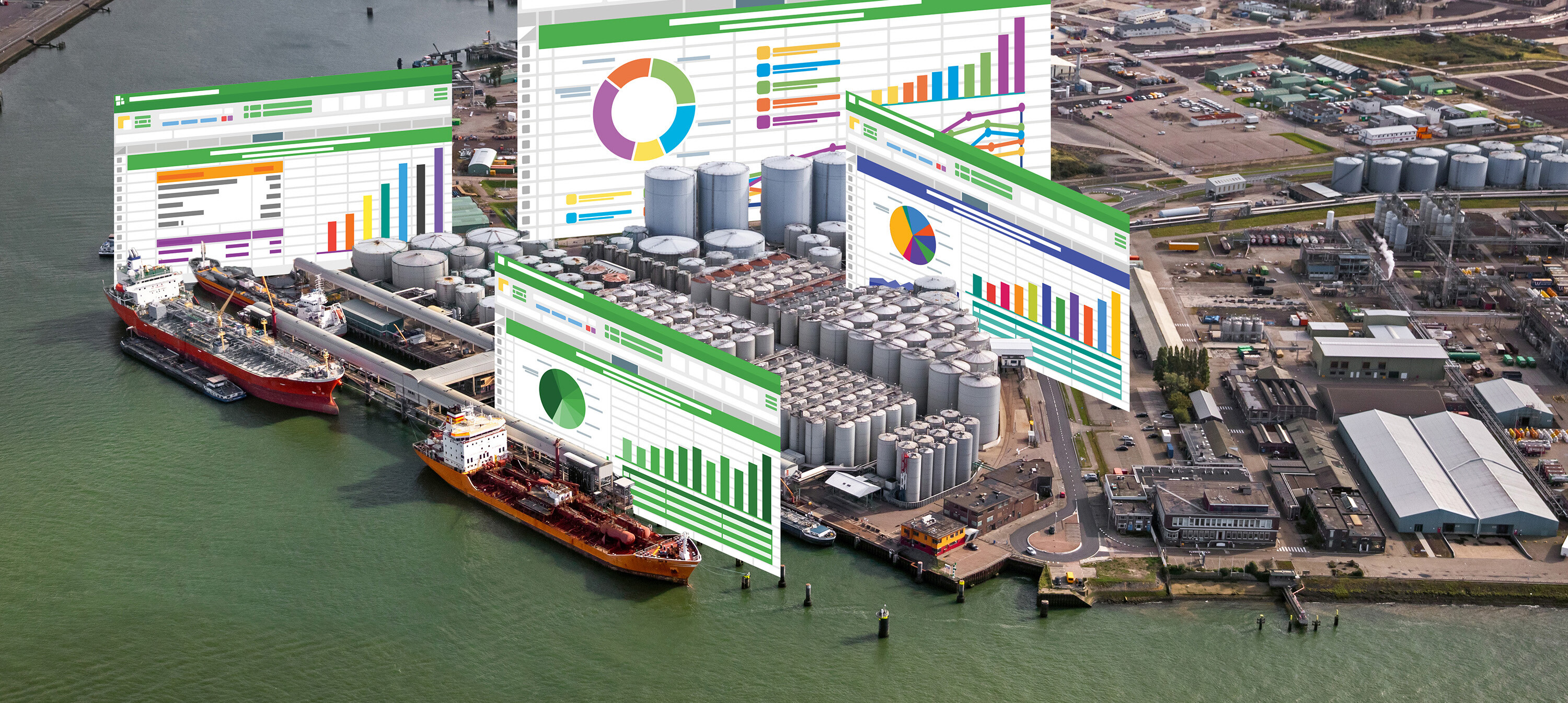
Drowning in spreadsheets?